What fire looks like in Seattle housing
The north-end and central Craftsmans, Ballard, Wallingford, Green Lake, Capitol Hill, the Central District and West Seattle, are balloon-framed wood houses with open wall cavities that carry fire and smoke from the basement to the attic in minutes, original knob-and-tube or early wiring in some, and basements full of furnaces, water heaters and dryers. Fires here are often electrical, dryer or furnace fires that start low and send smoke through the whole house, and the attic and wall cavities need to be opened and cleaned.
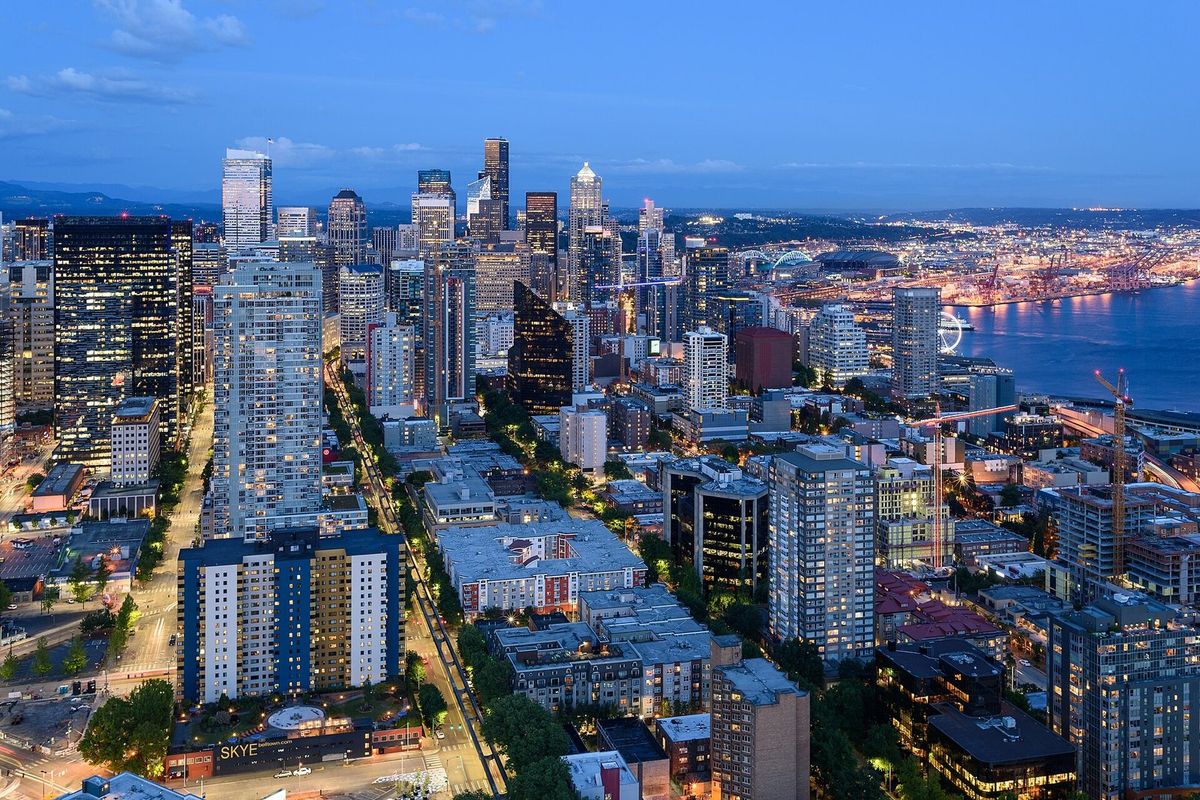
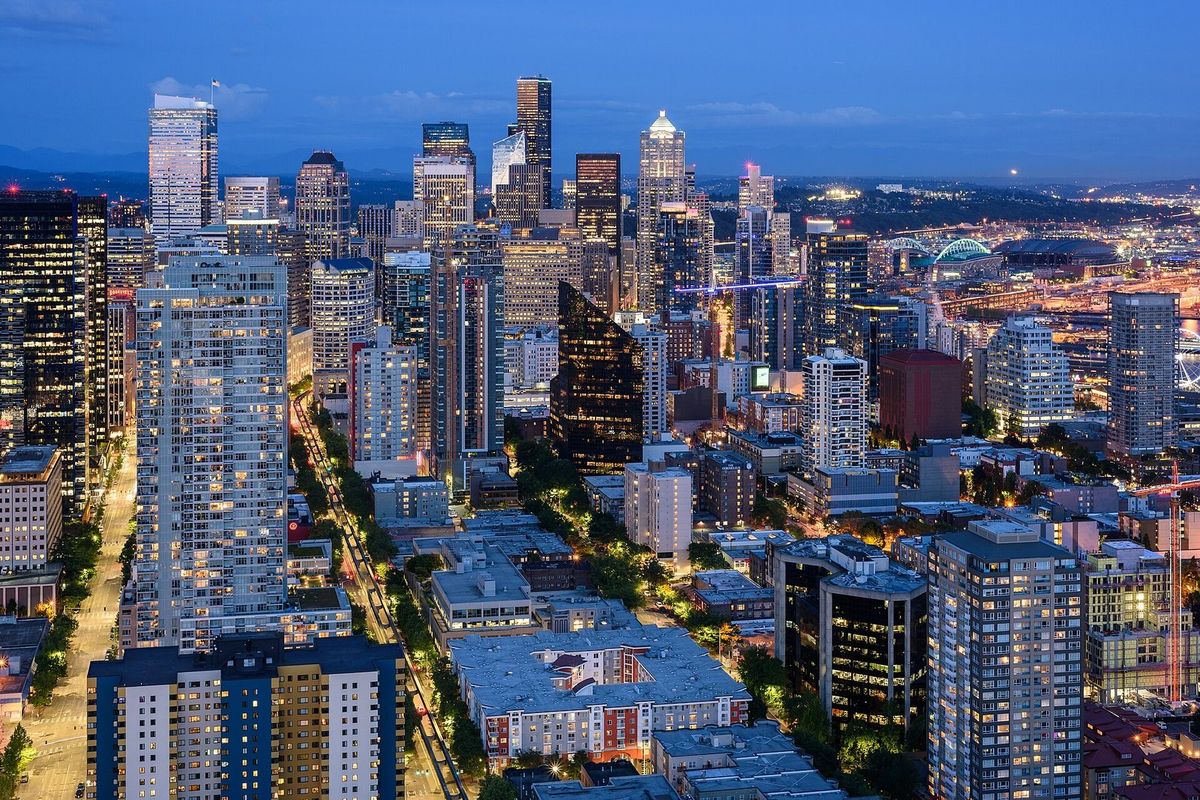
Mid-century ramblers in Northgate, Lake City and Rainier Valley burn more contained but have wood-burning fireplaces and older wiring. Townhouse rows across the city share party walls, so a fire in one unit smokes its neighbors and the claims multiply. Condo towers in Belltown, South Lake Union, Capitol Hill and downtown have sprinklers that limit fire and add water, and smoke that travels through corridors and chases into units far from the source.
Kitchen fires
The most common Seattle call: a pan, a microwave, a toaster, in a Craftsman kitchen or a high-rise galley. The fire is out fast; protein residue is through the house. See kitchen and small fire cleanup.
Permits and the rebuild
Seattle's permitting for structural, electrical and plumbing repair runs through the Department of Construction and Inspections, and the energy code applies to rebuilt assemblies. Code-upgrade costs are separated on the estimate for your ordinance-or-law coverage.
When you call
The dispatcher asks whether the fire department has released the house, whether utilities are off and whether you can stay there, then routes a board-up crew the same night and the assessment crew the next morning. You are told the contractor's name and L&I registration number before they arrive.