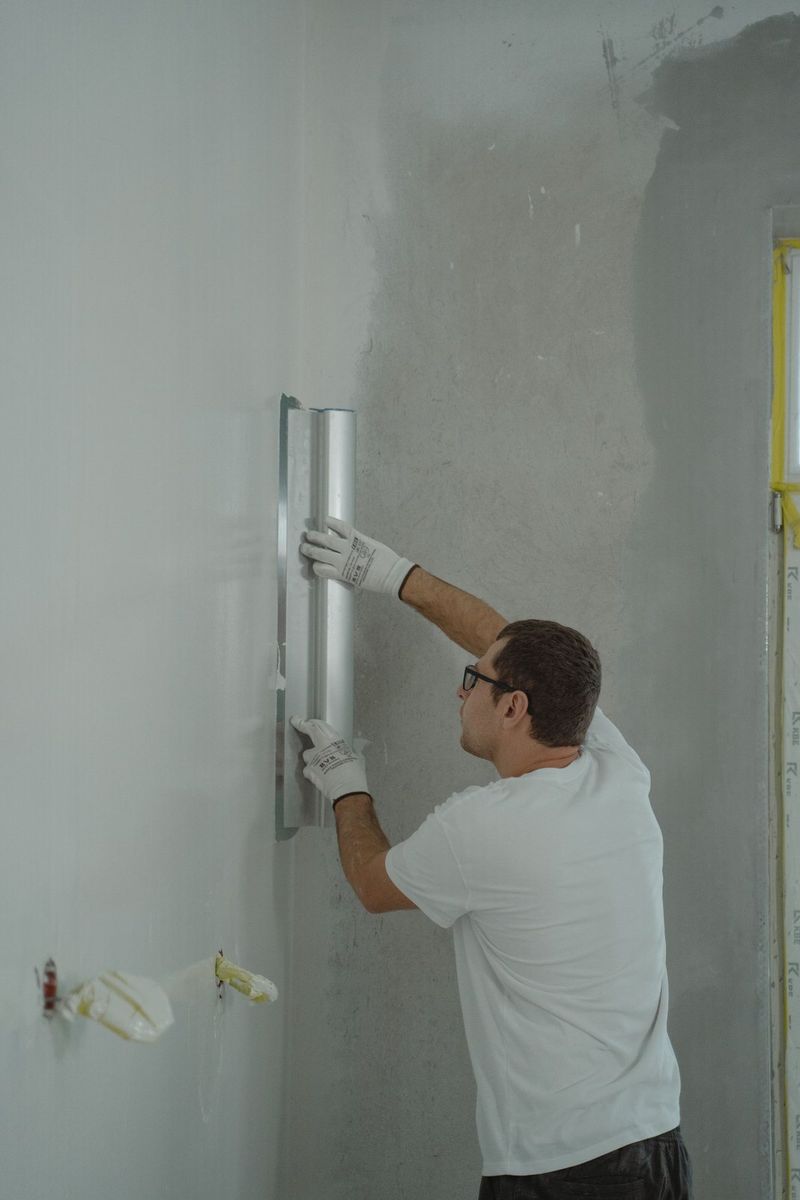
Reconstruction is the long part of a fire loss, and it is the part most governed by paperwork: the adjuster's approved scope, the city's permits, the engineer's letter on the framing, and the line between what the policy restores and what you choose to upgrade. The crew handles the paperwork so the house gets built.
Scope and approval
The reconstruction estimate is written in Xactimate, room by room and trade by trade, and reviewed with your adjuster. Three categories are kept visibly separate: like-for-like restoration, which the claim pays; code-upgrade items, which are covered under ordinance or law coverage if your policy includes it; and your own upgrades, which you pay. Keeping them separate is what prevents disputes at the end.
Permits and engineering
Structural repairs, electrical and plumbing work and significant alterations are permitted through the City of Seattle or the relevant county, and charred framing is evaluated by a structural engineer where the extent of charring makes its capacity uncertain. Permits take time; they are filed as soon as the scope is approved.
Demolition and structure
Charred framing, sheathing, drywall and finishes come out, along with smoke-saturated insulation and anything else that failed the cleaning standard. Remaining framing is cleaned and sealed against odor. Damaged members are sistered or replaced, roof structure and roofing restored, and the envelope closed. Electrical and plumbing are repaired and inspected; wiring exposed to fire heat is replaced, not reused.
Systems, insulation and finishes
Insulation is replaced to current code. HVAC equipment and ductwork damaged by heat or soot are repaired or replaced. Drywall, paint over sealer, flooring, cabinets, countertops, trim, doors and fixtures restore the finishes to like kind and quality, with your upgrades built in where you chose them.
Close-out
Final inspections, a walkthrough with you, contents returned from storage once the house has passed its odor check, and the final invoice reconciled against the approved scope with your adjuster. Depreciation holdbacks on replacement-cost policies are released by the insurer on completion; the contractor provides the documentation that triggers them.
On the claim
Reconstruction is billed under the approved scope, directly to your insurer on covered work, with code-upgrade and owner-upgrade items shown separately. Your deductible applies to the claim as your policy states; no contractor in Washington may waive it.