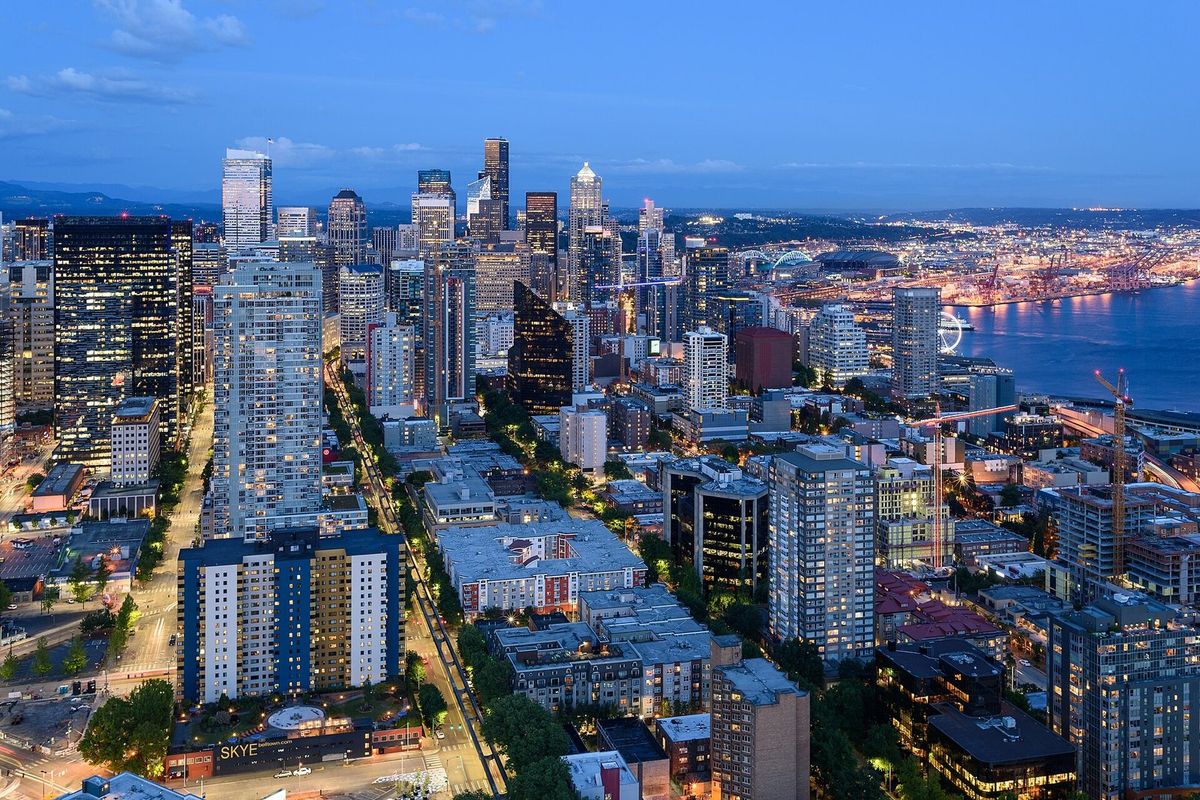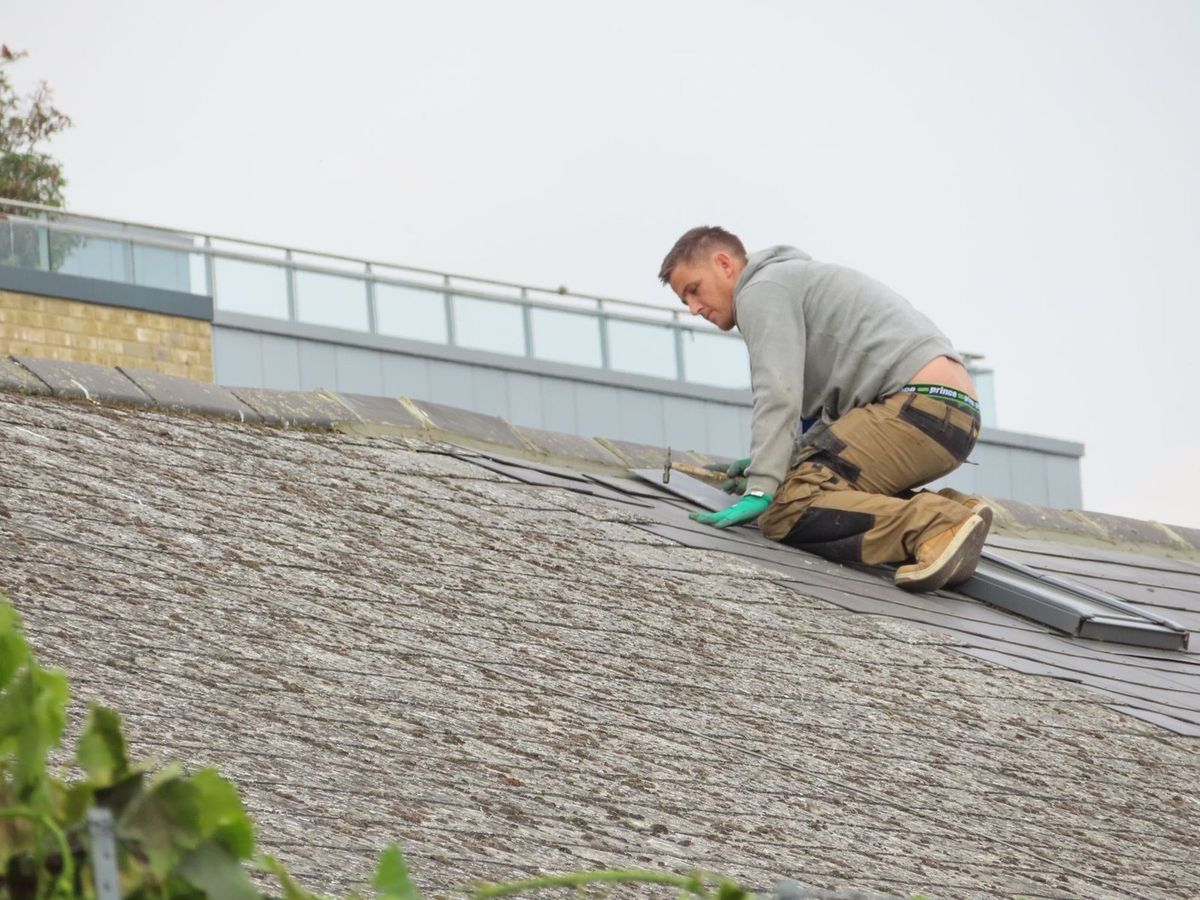
The hours after a fire are when a bad situation becomes a worse one. A house with the front window out and a hole in the roof takes on rain in a Seattle night, invites animals and people, and gives your insurer reason to ask why further damage was not prevented. Securing the structure is the first job, and it happens the same night.
What gets secured
Broken windows and doors, forced or burned, are covered with exterior-grade plywood fastened through the framing, or with bolt-through systems that clamp without putting fasteners into intact frames. Openings in the roof from fire venting or burn-through are tarped with heavy-duty material battened down against wind, or covered with temporary roofing panels when the hole is large. Garage doors, basement windows, pet doors and any other way in are closed. Where the structure is unsafe or the lot is exposed, temporary fencing goes up. Temporary power and lighting are arranged where the service was shut off and crews will be working.
Why the same night matters
Rain through a vented roof soaks ceilings and insulation that the fire did not touch, turning a fire claim into a fire-and-water claim. Open houses are entered. Soot and odor spread on every draft. And policies are explicit that you must protect the property from further damage; a delay you could have avoided can affect what the insurer pays.
Fire chasers
Emergency board-up has an unfortunate side: crews who follow scanners to fires and work the family while the trucks are still there. Some are legitimate; some get signatures on open-ended contracts or assignments of benefits from people in no state to read them. Nothing requires you to use whoever arrives first. Ask for a name and a Washington L&I registration number, read what you are asked to sign, and sign nothing that assigns your claim or your insurance payment to a contractor.
Retrieval
Once the fire department has released the house and the crew judges an area safe, the first retrieval is medications, documents, wallets, phones, glasses, keys and pet supplies. Everything else waits until it can be photographed and inventoried, because the inventory is the basis of your contents claim.
What happens next
Board-up is day one. The cleanup crew arrives the next morning to assess the smoke residue, map water from firefighting, draft the scope and start drying. See smoke and soot cleanup, water damage after fire and contents cleaning for what follows.
On the claim
Board-up and tarping are billed as emergency mitigation, itemized by materials and labor, with photographs, directly to your insurer on covered claims. Your deductible applies to the claim as your policy states.