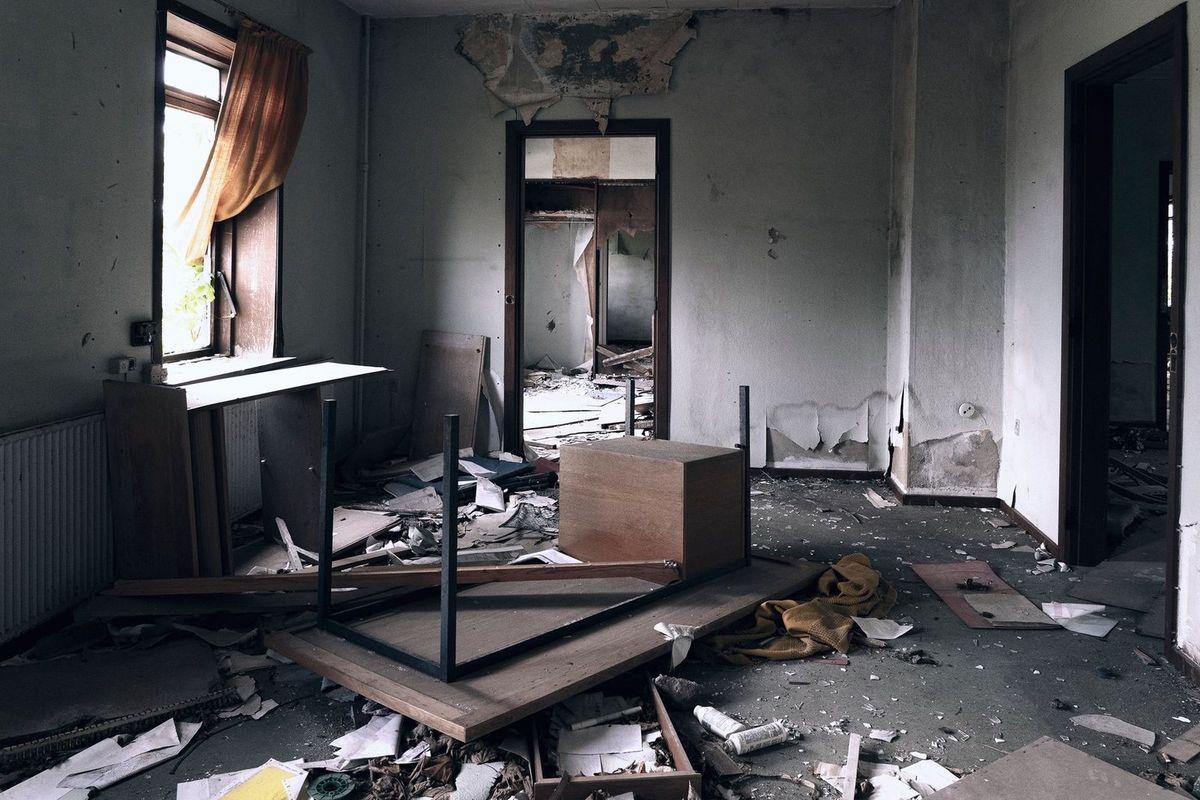
How the inventory is built
The restoration crew photographs and lists every item in every room before it is moved, marking each salvageable, to be tested, or a loss. Cleaned items come back; losses go on the contents claim with a description, quantity, age and estimated replacement cost. You fill in what the crew cannot know: brand, where it was bought, roughly when and for how much. Your own photos from before the fire, receipts, bank and card records and online order histories help with the valuable items.
Replacement cost versus actual cash value
Most Washington homeowners policies pay personal property at replacement cost, but in two steps. First you receive the actual cash value, replacement cost minus depreciation for age and condition. When you replace an item and submit the receipt, the carrier releases the withheld depreciation, called recoverable depreciation, up to the replacement cost. There is a time limit to claim it, often six months to a year, and it can usually be extended on request. Policies that are ACV-only pay the depreciated amount and stop; the declarations page says which you have.
Sub-limits and scheduled items
Contents coverage caps certain categories unless you bought extra coverage: jewelry and watches, furs, firearms, cash, securities, silverware, collectibles, business property kept at home, and sometimes electronics or bicycles. Tell the adjuster about significant items in these categories early, and check whether you have a scheduled personal property endorsement that lists them individually.
Proof
Carriers expect reasonable, not perfect, documentation. The crew's inventory and photos, your pre-loss photos, receipts and records for valuable items, and your sworn proof of loss cover most of it. High-value items without any documentation are where disputes happen; think about what you have for those.
What is cleaned, what is replaced
Items the contents facility can clean to standard come back and are not claimed as losses; the cleaning cost is part of the claim. Items that fail cleaning move to the loss list. If you disagree with a disposition, say so; a second attempt or a test clean is reasonable for items that matter to you.
Mistakes that cost money
Throwing away items before they are listed. Forgetting the garage, attic, basement and storage. Not claiming recoverable depreciation because the deadline passed. Accepting a lump-sum contents offer without an inventory. Not mentioning jewelry or collectibles until after the settlement. Replacing items with much cheaper ones and losing the depreciation difference.
Renters and condo owners
Renters policies cover a tenant's belongings; the landlord's policy does not. Condo unit owner policies cover the owner's belongings; the association's master policy does not. The same inventory process applies.