A neighbor's house fire
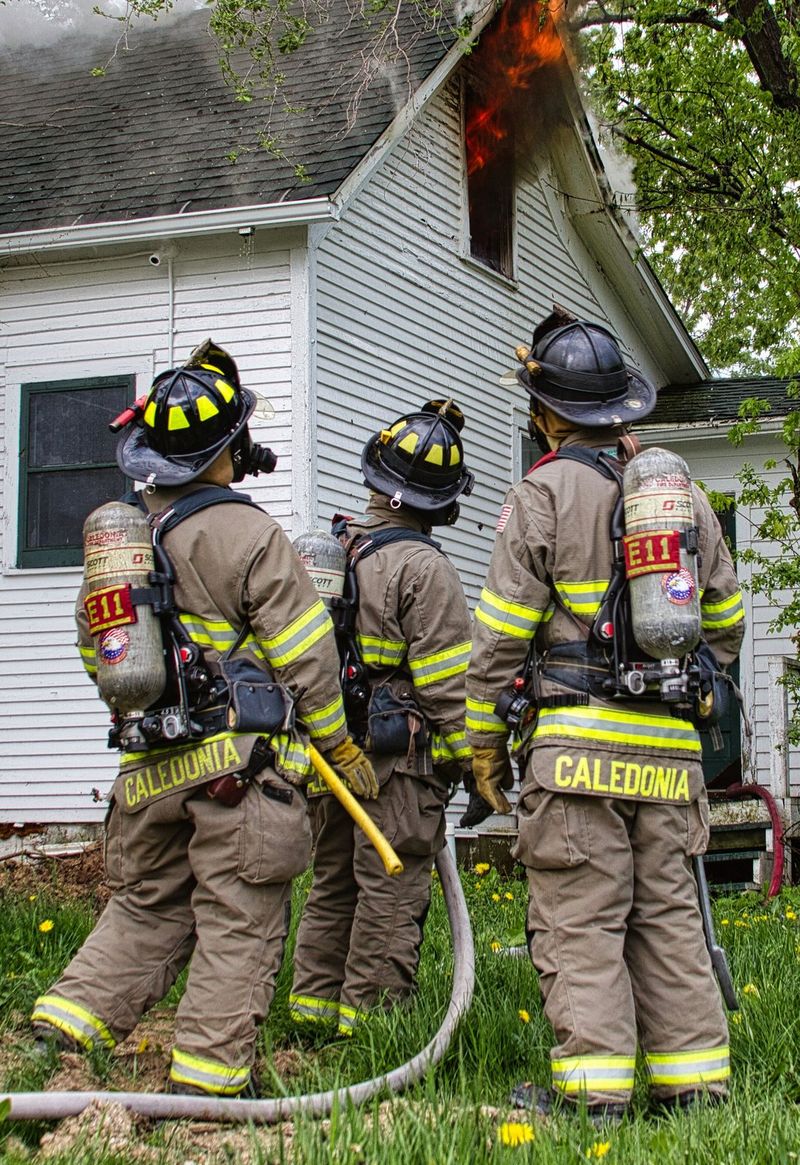
Smoke and soot from a fire on an adjacent property travel into your house through open windows, vents, gaps and the HVAC system, settling on surfaces and into textiles exactly as a fire in your own house would. Standard Washington homeowners policies cover smoke from a hostile fire, meaning a fire that is where it should not be, as a named peril, so your own policy responds for cleaning the structure and your contents, subject to your deductible. If the neighbor was negligent, your carrier may recover from theirs and refund your deductible, but that happens later. File with your own insurer the same day and mitigate without waiting for anyone else.
A fire in a condo or apartment building
Smoke travels through shared hallways, chases, ventilation and party walls. Your HO-6 or renters policy covers your unit's interior and contents; the association's master policy covers the building elements it is responsible for under the declaration; the source unit's owner may be pursued for negligence by the carriers involved. Report to your insurer and the building the same day, photograph your unit, and get mitigation started; do not wait for the fault conversation. The condo guide on the water sites applies the same logic to smoke.
Wildfire smoke
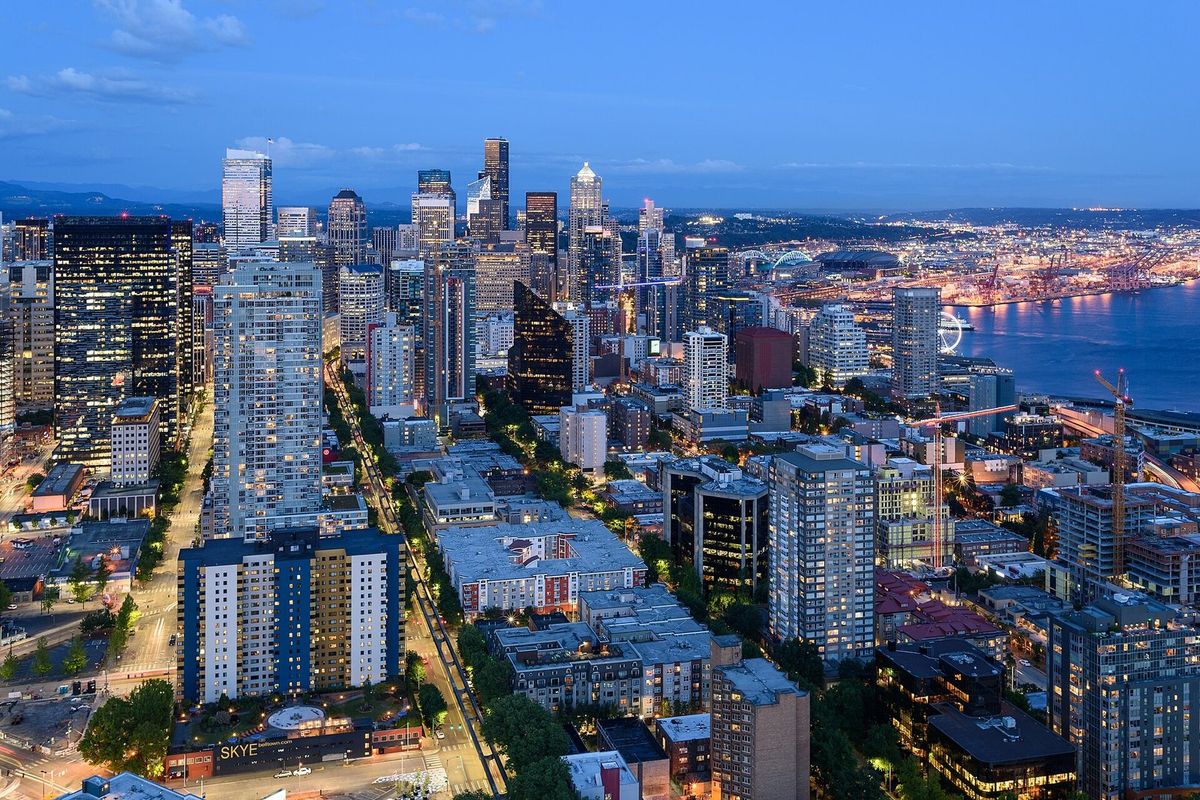
Seattle's late-summer smoke events leave fine particulate and odor in houses with any air exchange, and where ash is visible on surfaces it is a cleaning job: ducts, surfaces, textiles, filters and odor treatment. Coverage is less settled than for a neighbor fire. Smoke damage from a hostile fire is generally a covered peril and many carriers have paid wildfire infiltration claims; some adjusters distinguish physical soot and ash deposits, which they cover, from odor or air quality alone, which they may not. Photograph deposits on surfaces and filters, keep the HVAC filter as evidence, file promptly and ask your adjuster plainly how your policy treats it.
What the cleanup involves
The same sequence as a structure fire at a smaller scale: HVAC shut down and the duct system cleaned, HEPA vacuuming and wet cleaning of surfaces and inside cabinets and closets, textiles and soft furnishings processed, filters replaced, and odor treated with hydroxyl generators or thermal fogging. A technician can assess the extent in an hour and give you a scope to compare against your deductible.
Documenting it
Photographs of soot and ash deposits, the HVAC filter, white-cloth wipe tests on surfaces, and the date and source of the fire. The contractor's scope in Xactimate goes to your adjuster. If the neighbor's or the building's insurer is involved, keep the same file for them.