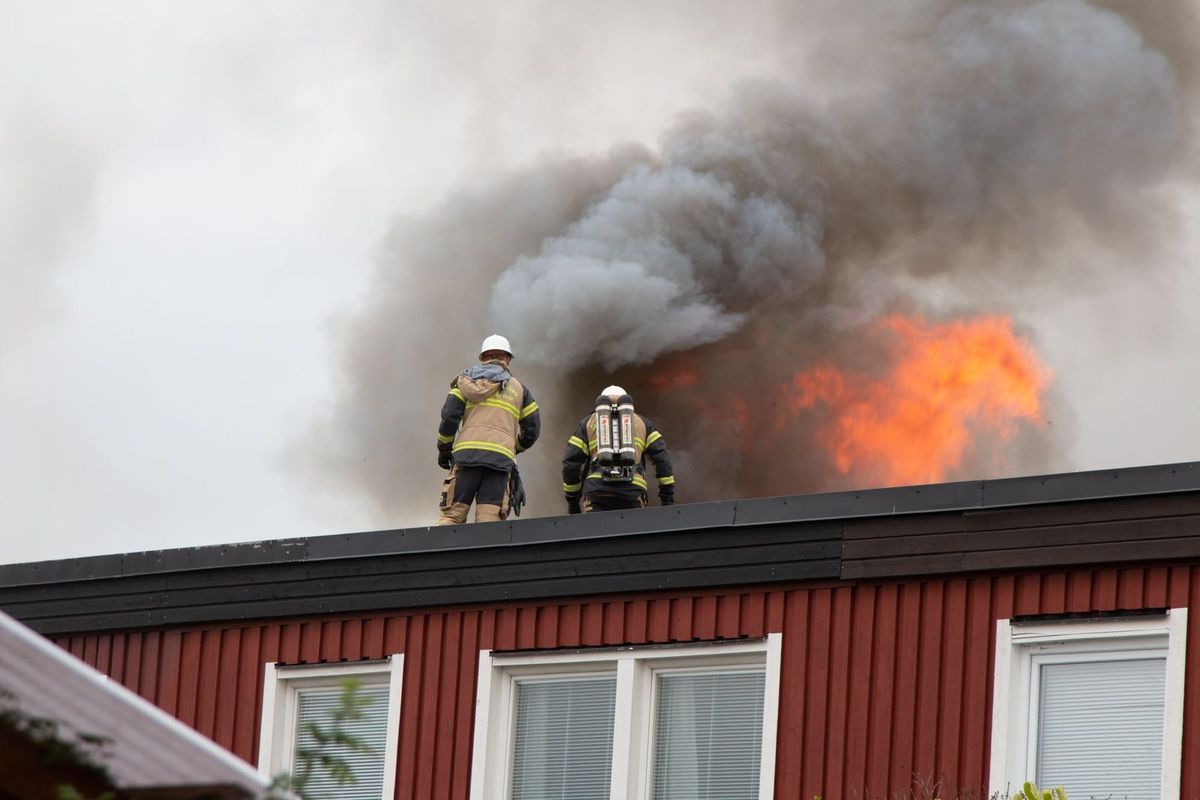
Day one
Safety and release. Nobody enters until the fire department releases the structure. Ask them whether gas, electricity and water were shut off and whether any area is structurally unsafe. If anyone has breathed smoke, get checked.
Call your insurer. Open the claim, get the claim number and the adjuster's contact, tell them you are arranging mitigation and ask how additional living expenses work under your policy. Most carriers have a 24-hour claims line.
Secure the house. Board-up of openings and roof tarping the same night, by a contractor you choose. Your policy requires you to protect the property from further damage; this is that step, and it is covered.
Photograph everything. Outside, roof from the ground, every room, before anything is moved. Your phone is fine.
Retrieve essentials if the house is released and the area is safe: medications, documents, wallets, keys, phones, glasses, children's and pet supplies.
Start a receipts folder. Hotel, meals, clothes, toiletries, pet boarding, mileage. Additional living expenses coverage pays the costs above your normal spending, on receipts.
Do not run the furnace or fans, wipe soot, turn on electronics that were in smoke, eat exposed food, or sign anything from anyone who arrived uninvited.
Day two
Assessment. The restoration crew walks the house, identifies the smoke residue, maps water from firefighting, photographs and begins the inventory. You walk it with them if you can.
Drying starts. Suppression water is extracted and drying equipment set. Temporary power and heat arranged if needed.
Priority contents. Items you need for the coming weeks are retrieved and cleaned first. The full inventory continues room by room.
Adjuster contact. The contractor coordinates the adjuster's site visit and sends the preliminary scope. Ask your adjuster about the ALE advance many carriers provide for immediate costs.
Where you will live. Decide on a hotel for now and a rental for longer if the house will be out for weeks; your adjuster can tell you the ALE terms and limit.
Day three
Mitigation in motion. Dry soot removal, duct system sealed, air scrubbers running, drying monitored, pack-out of salvageable contents underway, losses listed.
Documents. Get the contractor's written scope, the inventory format and the board-up invoice. Keep everything in one folder, paper or digital, with the claim number on it.
Mail and utilities. Forward mail, notify utilities and your mortgage servicer, and keep paying the mortgage and the premium.
Read your policy. The declarations page shows your dwelling, contents and loss-of-use limits and whether contents are replacement cost or actual cash value. The guides on additional living expenses and contents inventory explain what those mean for you.
People to be careful of
Anyone who arrives at the fire uninvited with a contract, anyone who offers to waive your deductible, anyone who asks you to sign an assignment of benefits, and anyone, including a public adjuster, who pressures you to sign on the day of the fire. Take a night. Legitimate help will still be there in the morning.